


Unearthing the roots A journey through the history of gambling
The Origins of Gambling
The history of gambling stretches back thousands of years, intertwining with the evolution of human civilization. Evidence suggests that forms of gambling date back to ancient China, where rudimentary games of chance were played using dice and betting. Archaeologists have unearthed artifacts such as ancient gambling tools, indicating that even early societies were fascinated by the allure of risk and reward. These early forms of gambling set the groundwork for the structured games we recognize today. For those looking to dive deeper into the modern scene, integrating play id can enhance your gaming experience significantly.

In addition to China, the ancient Egyptians also engaged in gambling activities, with references found in hieroglyphs illustrating games involving betting. This cultural fascination with chance continued through various societies, including the Greeks and Romans, who popularized games like dice and betting on gladiatorial contests. Through these interactions, gambling evolved into a social activity, embedded in the fabric of community life and entertainment.
The concept of gambling was not merely a pastime; it held spiritual significance in some cultures. Many ancient civilizations viewed games of chance as a means to communicate with deities, believing that the outcomes of such games could reveal divine will. This intersection of fate and fortune made gambling a complex social ritual, deeply rooted in human history and culture.
The Evolution of Gambling Games
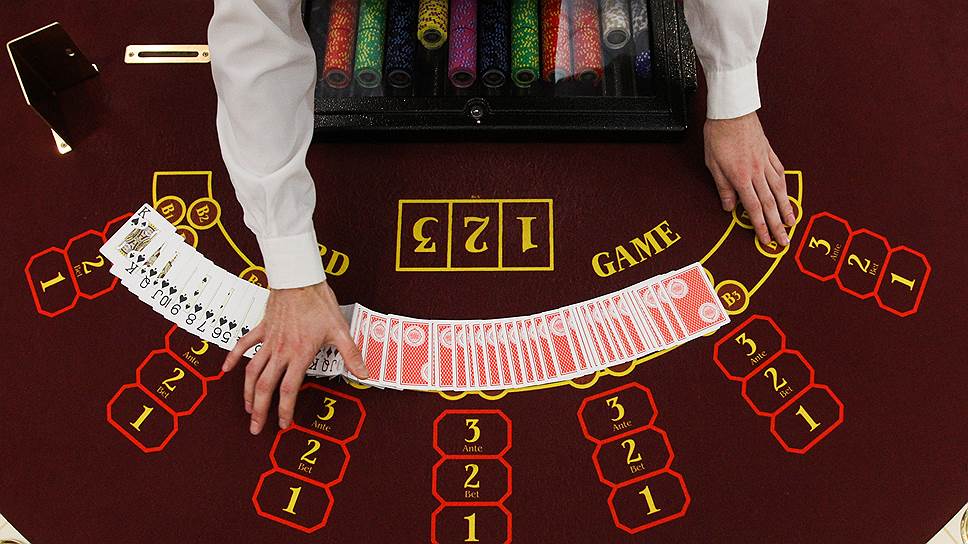
As societies developed, so too did the complexity of gambling games. During the Middle Ages, card games emerged in Europe, evolving from earlier gambling systems. The introduction of playing cards in the 14th century marked a significant shift, as these games became popular in royal courts and among the nobility. The strategic aspect of card games introduced an entirely new dimension to gambling, merging skill with chance, leading to games like poker and blackjack.
The 18th century saw the rise of betting on horse races, which transformed gambling into a more organized and socially accepted activity. This era established betting as an integral part of sporting events, drawing in crowds and promoting a sense of community around these gatherings. With the establishment of racetracks and betting parlors, gambling began to take on a more formal structure, paving the way for modern betting practices.
The late 19th and early 20th centuries further revolutionized gambling with the advent of casinos. The opening of the first modern casino in Monte Carlo in 1863 set a standard for luxury and entertainment that continues to define the casino experience today. The combination of gambling games, entertainment, and hospitality transformed casinos into multi-faceted destinations, attracting visitors from around the world.
The Impact of Regulation and Legislation
As gambling grew in popularity, so did the need for regulation. Governments recognized the potential for economic benefit from gambling but also the social issues it could create. The early 20th century marked a significant shift towards regulation, with many countries outlawing gambling altogether due to concerns over crime and moral implications. This prohibition era led to the rise of underground gambling operations, which thrived despite legal restrictions.
However, the latter half of the 20th century saw a change in attitudes towards gambling, particularly in the United States. The legalization of casino gambling in Nevada in 1931 was a pivotal moment that encouraged other states to reconsider their policies. This change allowed for the growth of state-regulated gambling, which provided a source of tax revenue and created jobs, demonstrating that gambling could be a legitimate economic activity.
In recent decades, many countries have continued to adapt their gambling laws, embracing online gaming and sports betting as new forms of entertainment. As technology has advanced, so has the landscape of gambling, prompting ongoing discussions about responsible gambling practices and the importance of consumer protection. The shift towards regulation not only aims to safeguard players but also promotes a sustainable gambling industry that can thrive within a legal framework.
The Rise of Online Gambling
The late 20th century ushered in the digital age, dramatically transforming the gambling industry. The advent of the internet opened new avenues for gamblers, leading to the rise of online casinos and betting platforms. By the late 1990s, online gambling had gained significant traction, providing players with the convenience of betting from the comfort of their homes. This accessibility brought a new demographic of players into the fold, expanding the gambling audience beyond traditional casino goers.
Online gambling also introduced innovative gaming options, including live dealer games that replicate the casino experience virtually. Players could now interact with real dealers and other participants in real-time, enhancing the social aspect of online gambling. This blend of technology and traditional gameplay has reshaped the industry, allowing it to cater to diverse preferences and play styles.
With the rapid expansion of online gambling, regulatory bodies have also evolved to address new challenges. Many jurisdictions have implemented strict licensing procedures to ensure fairness and transparency in online gaming. This evolution underscores the importance of a safe and regulated environment for players, ensuring that online gambling can be both enjoyable and responsible.
Modern Gambling and PlayID
In today's landscape, gambling has become a multifaceted industry that encompasses everything from traditional casinos to innovative online platforms. PlayID is an example of how technology continues to enhance the gambling experience. By serving as a centralized login and payment hub for casino enthusiasts, it streamlines the online gaming process, allowing players to access multiple partner casinos effortlessly.
With features such as rapid payouts and a centralized bankroll management system, PlayID caters to the modern gambler's needs. Players can enjoy a seamless experience without the hassle of repetitive verification processes, making it easier to focus on the excitement of gaming. Additionally, newcomers can benefit from exclusive bonuses and promotions, creating an attractive entry point into the world of online gambling.
As the gambling industry continues to evolve, platforms like PlayID represent the future of gaming. By integrating technology and user-friendly features, they provide a rewarding and secure environment for players to engage in their favorite pastimes. The journey of gambling, from ancient origins to modern innovations, showcases humanity's enduring fascination with chance and the pursuit of fortune.